 Back to Blogs
Custodial vs Non-Custodial Wallets. Which One Should You Use?
In the world of Web3, wallets are your gateway to the blockchain. But here’s where most people get stuck: should your product use a non-custodial wallet or a custodial wallet? If these terms sound confusing, don’t worry. This blog breaks them down in plain English so you, as a founder or product manager, can make the right call.
First, What Is a Wallet in Web3?
A Web3 wallet is a tool that stores your private keys and lets you interact with blockchain apps. Think of it like a digital keyring for your crypto assets. Without it, you can’t use DeFi platforms, NFTs, or dApps.
There are two main types:
- Custodial: Someone else (usually a company) holds your keys.
- Non-custodial: You hold the keys yourself.
Let’s break this down further.
Custodial Wallets
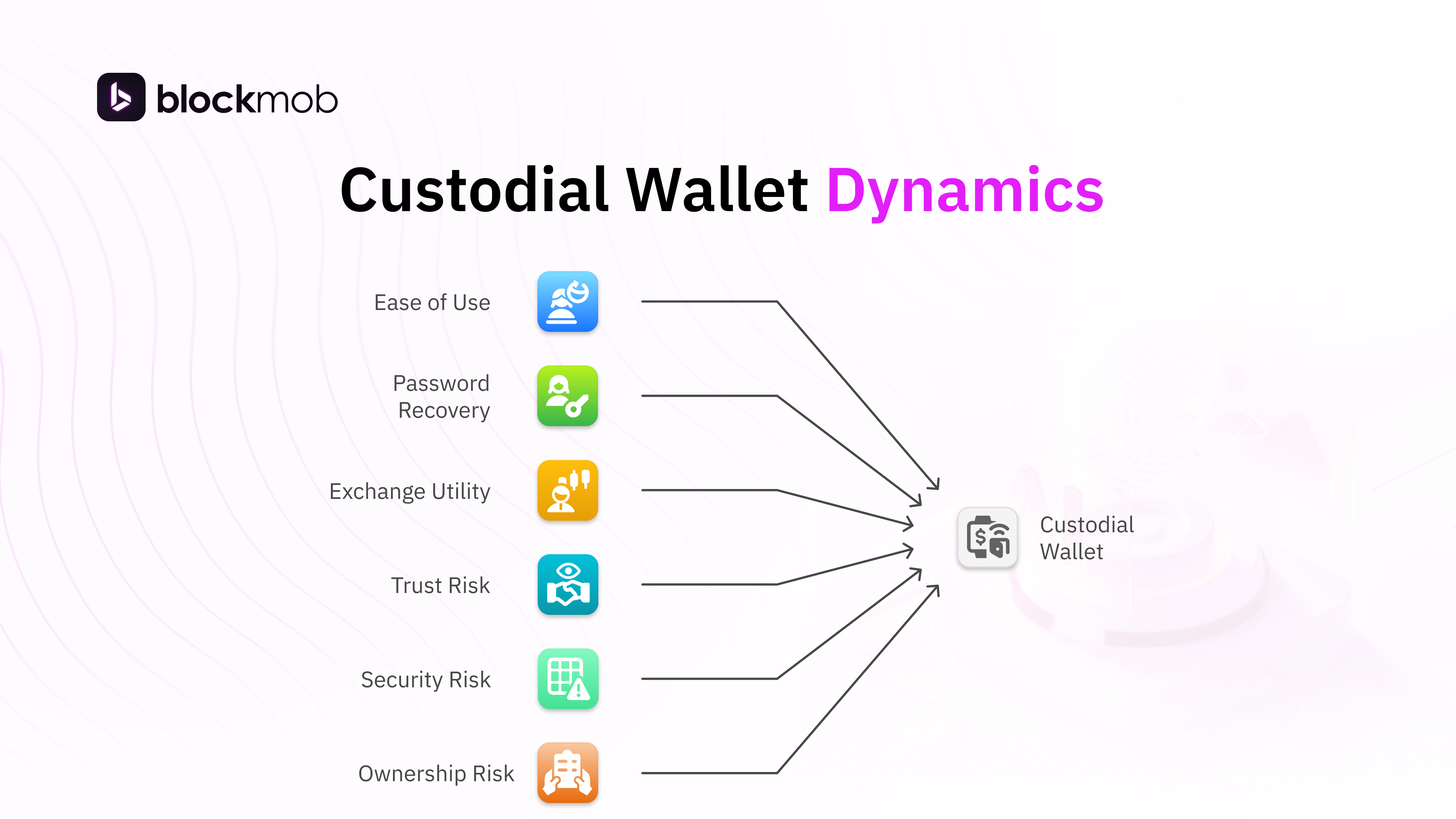
A custodial wallet is like a bank account. The company behind the wallet manages your assets for you. You don’t have full control, but you also don’t have to worry about losing your keys.
Pros:
- Easy for beginners
- If you lose your password, you can usually recover access
- Useful for exchanges (like Binance or Coinbase)
Cons:
- You’re trusting a third party
- If the company gets hacked, your funds are at risk
- You don’t really “own” your assets; someone else does
Analogy: Imagine giving your house key to a guard. Convenient, but you’re trusting them not to lose it or misuse it.
Non-Custodial Wallets (You Hold the Keys)
In a non-custodial wallet, you control everything. Only you have access to your keys, and that means full control over your assets.
Pros:
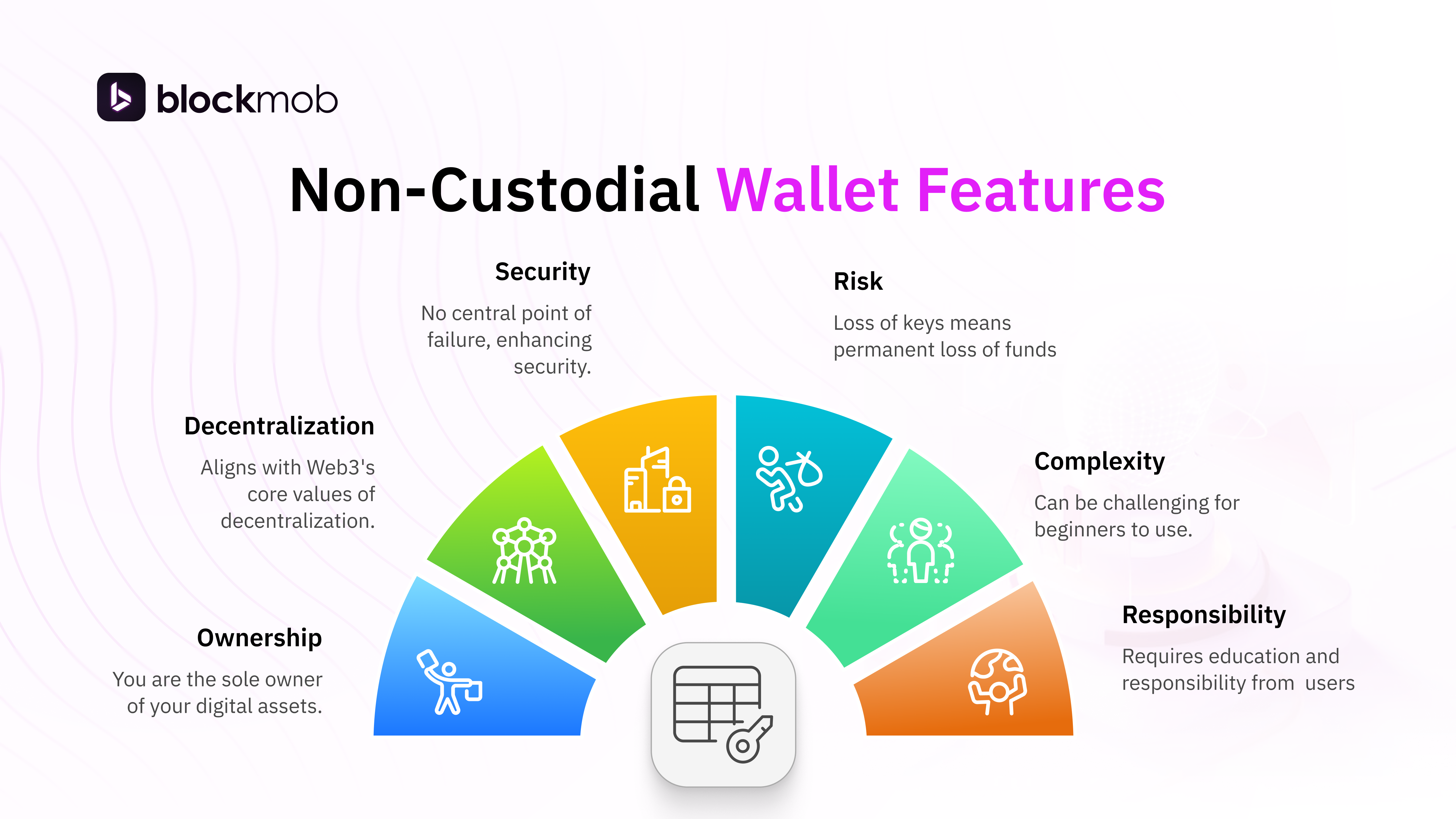
- You’re the true owner of your funds
- More aligned with the core values of Web3: decentralisation and self-sovereignty
- No central point of failure (like a hacked server)
Cons:
- If you lose your keys or seed phrase, your funds are gone forever
- Might be harder to use for beginners
- Requires more education and responsibility
Analogy: It’s like keeping your house key in your own pocket.
Gaya Wallet A Non-Custodial Wallet Built by Blockmob Labs
Gaya Wallet is a non-custodial, multichain wallet designed for the modern Web3 user. It supports Ethereum and Solana, works cross-chain, and offers full control to the user.
Why did we go with a non-custodial setup?
- The client wanted to empower users
- Security was a top priority
- They wanted the wallet to feel like owning a vault, not renting a locker
This kind of product fits users who value control, privacy, and decentralization. Gaya Wallet wouldn’t work as a custodial product; it would go against its whole vision
So, Which One Should You Choose?
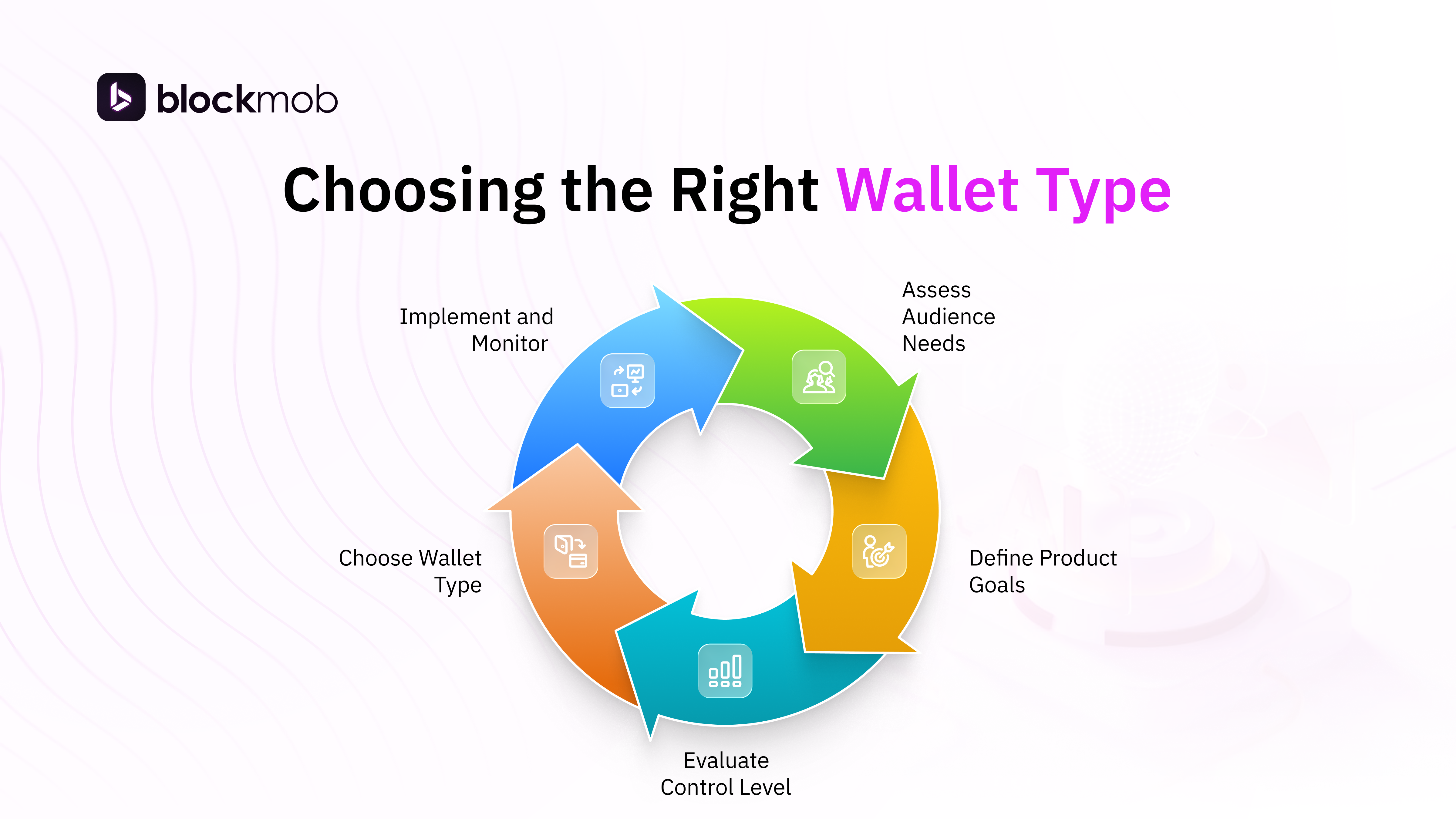
Here’s a simple decision tree for your Web3 product:
Choose Custodial if:
- Your users are new to crypto
- You’re building an exchange, CEX, or fintech-style product
- You want recovery features and customer support
Choose Non-Custodial if:
- You’re building for Web3-native users
- You care about decentralisation and user freedom
- Your app deals with NFTs, DeFi, DAOs, or multichain use cases
You can also build hybrid solutions: start with custodial for onboarding, then give users the option to switch to non-custodial later.
Final Thoughts:
There’s no one-size-fits-all answer. Custodial wallets are easier. Non-custodial wallets are freer. Your choice depends on your audience, your product goals, and how much control you want to give (or take).
Need Help Picking the Right Wallet Architecture?
We’ve helped over 100+ Web3 products go from idea to market. If you’re building a wallet, dApp, or any blockchain product, we can help you architect it right.
Reach out at info@blockmob.io
Or visit blockmob.io to see our work